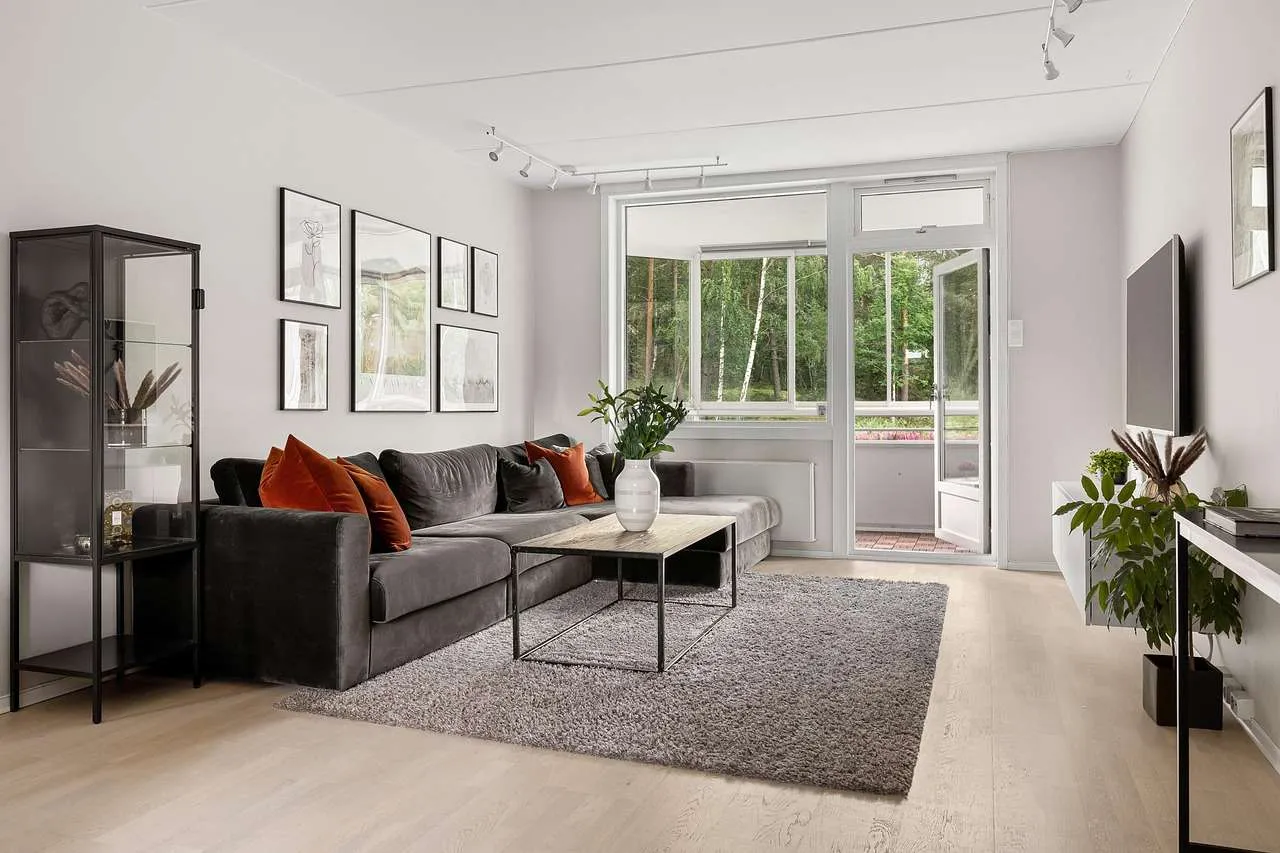
Understanding Home Window Tinting
Home window tinting is a popular solution that enhances the comfort, privacy, and energy efficiency of residential spaces. By applying a thin film to your home’s windows, you can reduce glare, block harmful UV rays, and lower energy bills. With growing interest in sustainable living and smart home improvements, window tinting offers homeowners a practical and cost-effective upgrade.
Key Benefits of Home Window Tinting
1. Energy Efficiency and Cost Savings
One of the primary reasons homeowners invest in window tinting is to improve energy efficiency. Quality window films reduce heat gain during the summer and heat loss in the winter. This means your air conditioning and heating systems won’t have to work as hard, leading to noticeable reductions in monthly energy bills.
2. UV Ray Protection
Window tint film blocks up to 99% of harmful ultraviolet (UV) rays. UV rays can cause skin damage and fade interior furnishings like carpets, curtains, and furniture. By protecting your home’s interior, window tinting extends the lifespan and color vibrancy of your belongings.
3. Enhanced Privacy and Security
Depending on the tint you choose, window films add a layer of privacy by limiting outside views into your home without sacrificing natural light. Moreover, some security window films help hold shattered glass together during break-ins or accidents, reducing risks of injury and property damage.
4. Glare Reduction
Tinted windows reduce glare from harsh sunlight, improving visibility for activities like watching TV, working at a computer, or dining. This makes interiors more comfortable and enjoyable throughout the day.
Popular Types of Home Window Tinting Films
| Type of Film | Features | Ideal For | Average Cost per Sq Ft |
|---|---|---|---|
| Dyed Window Film | Reduces glare, adds privacy, affordable | Basic sun control and privacy | $5 - $8 |
| Metalized Film | Reflects heat, long-lasting, slightly reflective | Heat rejection and durability | $7 - $10 |
| Ceramic Film | High heat and UV rejection, non-reflective | Premium performance and aesthetics | $10 - $14 |
| Security Film | Holds glass together, improves safety | Safety and break-in prevention | $8 - $12 |
Cost Factors and Installation Considerations
The cost of home window tinting depends on factors such as the type of film, window size, number of windows, and labor charges. While some homeowners opt for DIY kits, professional installation is recommended for optimal durability and appearance. Professionals also ensure proper surface preparation and bubble-free application.
Additionally, some local regulations or homeowner associations may have guidelines regarding window treatments, so it’s essential to verify compliance before installation.
How to Choose the Right Home Window Tinting
- Assess Your Needs: Prioritize benefits like privacy, UV protection, or security according to your household preferences.
- Consider Your Budget: Balance upfront costs versus long-term energy savings and film durability.
- Research Professionals: Look for certified installers with positive reviews and proper warranties.
- Request Samples: View film samples on your windows to evaluate aesthetics and light transmission.
- Understand Warranty Details: Good window tinting films often come with warranties covering bubbling, peeling, or discoloration.
Comparison Table: Key Factors at a Glance
| Factor | Dyed Film | Metalized Film | Ceramic Film | >Security Film |
|---|---|---|---|---|
| UV Protection | Moderate (up to 80%) | High (up to 90%) | Very High (up to 99%) | High (up to 99%) |
| Heat Rejection | Moderate | High | Very High | Moderate |
| Privacy | Good | Good | Moderate | Low |
| Glare Reduction | Good | Good | Excellent | Low |
| Durability | Lower | Medium | High | High |
Maintaining Your Home Window Tinting
To maximize the lifespan of your window tint, clean your windows gently using non-abrasive cloths and mild, ammonia-free cleaners. Avoid scratches and impacts to keep the film intact. Regular inspections will help you detect any peeling or bubbling early and address it with professional support if needed.
Conclusion
Home window tinting is a smart investment for enhancing your home's energy efficiency, comfort, security, and style. By understanding the different types of films and their benefits, homeowners can choose the best solution tailored to their needs and budget. Whether aiming for reduced cooling costs, UV protection, or increased privacy, professional installation ensures optimal results and long-lasting performance. Evaluate your specific goals and work with trusted installers to transform your living space with effective window tinting.
Summary: Home window tinting offers significant benefits including energy savings, UV protection, privacy, and safety. Selecting the right type of film and ensuring professional installation are crucial for maximizing these advantages. With proper maintenance, tinted windows provide lasting comfort and value to any home.